Getting users to value with an AI they've never used before
Blockit operates differently from any other scheduling tool — it's not a link you send, it's an agent that learns and acts on your behalf. That made onboarding uniquely hard: users needed to understand what the product was, trust it enough to give it calendar access, and configure enough context for the agent to work — all before they'd seen it do anything useful.
The original experience leaned heavily on human involvement. Sales and solutions engineers walked new users through setup, which limited who could actually start using the product and slowed growth. There was no path for someone to get up and running on their own.
What I was fighting for
I pushed for a fully self-serve onboarding experience — no humans required. This wasn't just a product improvement; it was a strategic shift that would change the scale at which Blockit could grow. I wrote the PRD, defined the goals, and made the case internally for why this needed to be prioritized.
The tension I had to resolve: the agent needs meaningful context to be useful, but asking users to configure too much upfront is the fastest way to lose them. The design had to collect only what was essential — and make that collection feel like progress, not homework.
Three principles to guide the experience
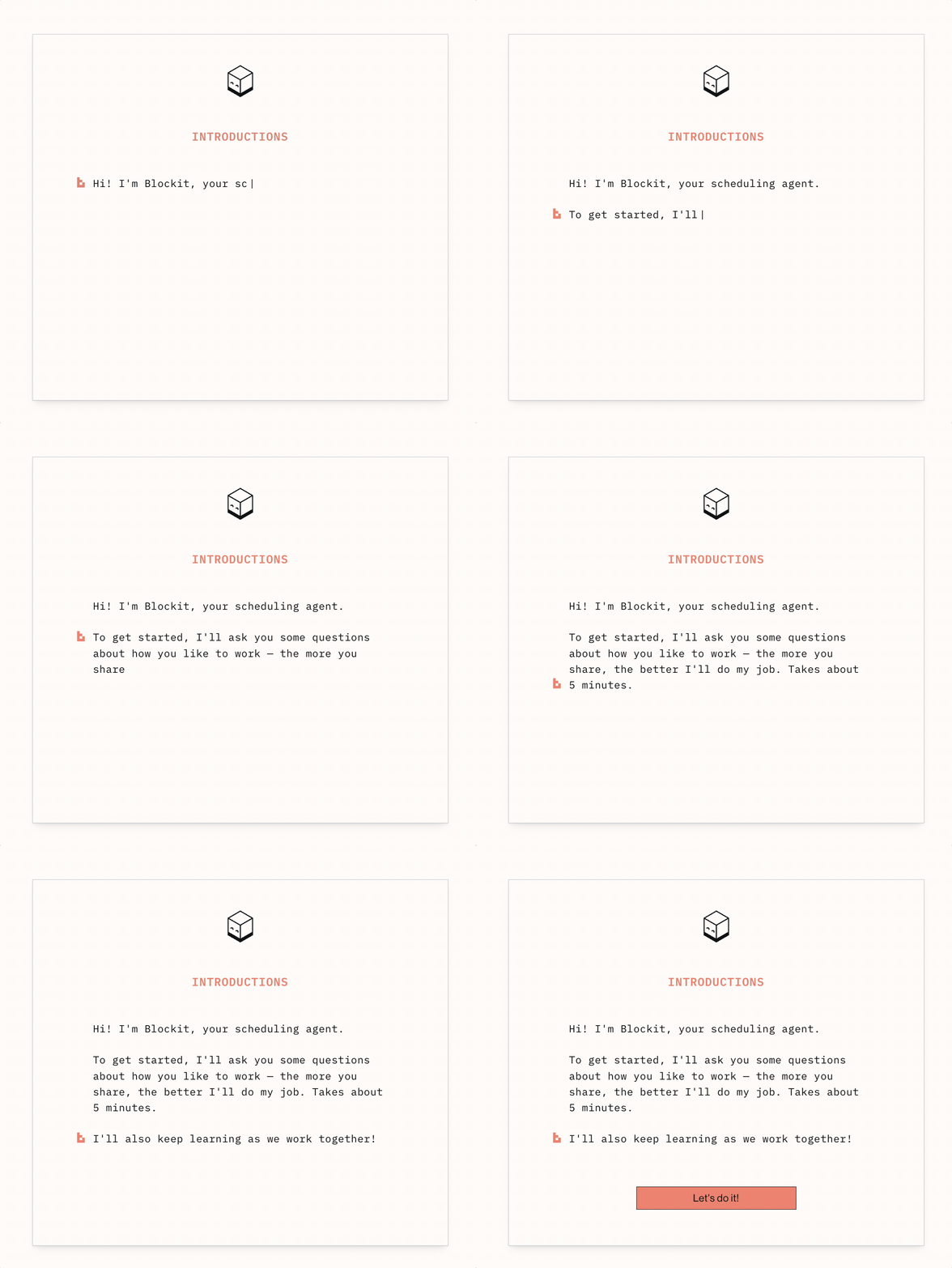
- Educate through interaction — Rather than explaining the product with long tutorials, onboarding introduces concepts as users configure their assistant. Each step teaches how the agent thinks about scheduling.
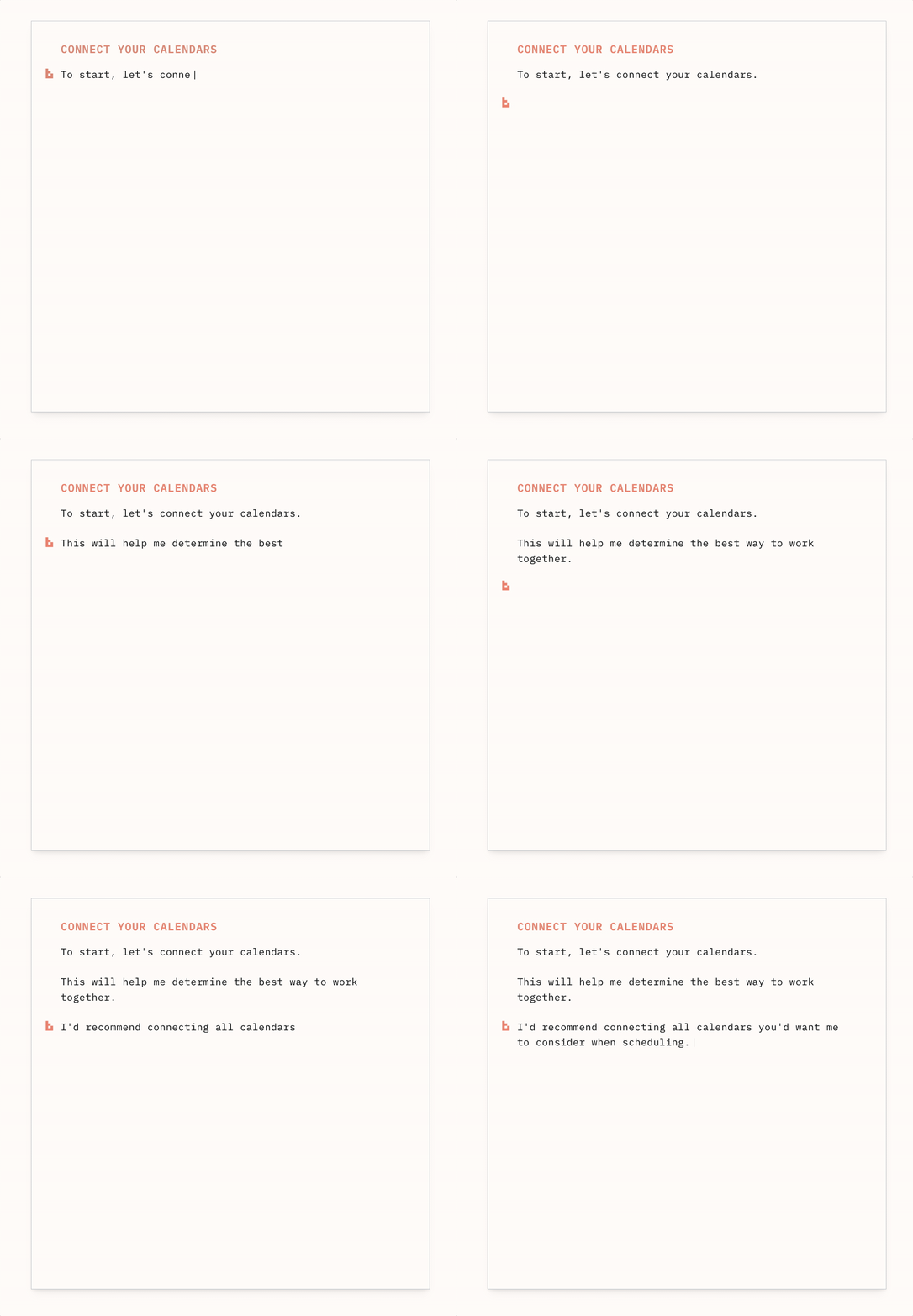
- Capture the minimum context for success — The agent needs calendar access, scheduling preferences, and meeting priorities to operate reliably. The flow collects only what's necessary to enable meaningful automation.
- Move users to value quickly — The fastest way to understand an AI agent is to use it. Onboarding guides users to their first scheduling action as quickly as possible.
Craft as trust-building
AI products can feel unpredictable or opaque, so visual polish plays an outsized role in establishing trust. I gave careful attention to typography, layout, motion, and micro-interactions — not as decoration, but as signals that the product is thoughtful and reliable.
When users are learning how to work with an AI agent for the first time, the quality of the interface directly shapes how they perceive the intelligence and capability of the system itself. I also shipped several frontend PRs to make sure the implementation matched the intent.
What shipped
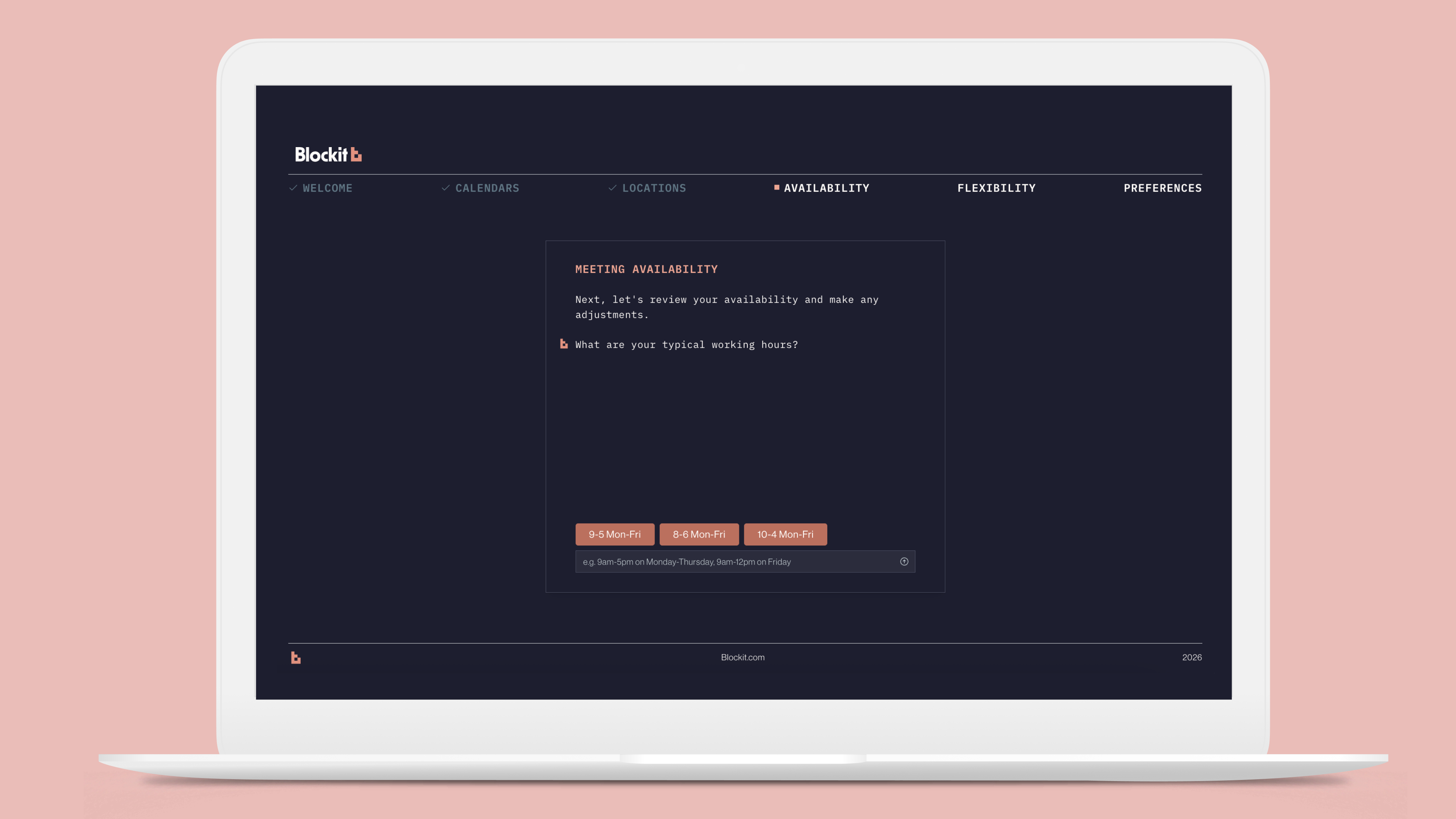
A fully self-serve onboarding experience that takes new users from signup to their first scheduling interaction without any human assistance. The flow teaches the agent's core model, collects the context it needs, and gets users to a meaningful first action — all within a few minutes.
Impact
This project changed the scale of the business. By eliminating the dependency on human-assisted setup, it started Blockit's entire self-serve motion — opening the product to users who would never have made it through a sales-led process.